The blog
The Art of the Shower

Anti-slip shower tray ratings: DIN 51097 and R classes explained
DIN 51097 A, B, C or R9–R13? How anti-slip shower tray ratings work and which slip resistance class to choose for homes, hotels and care homes.
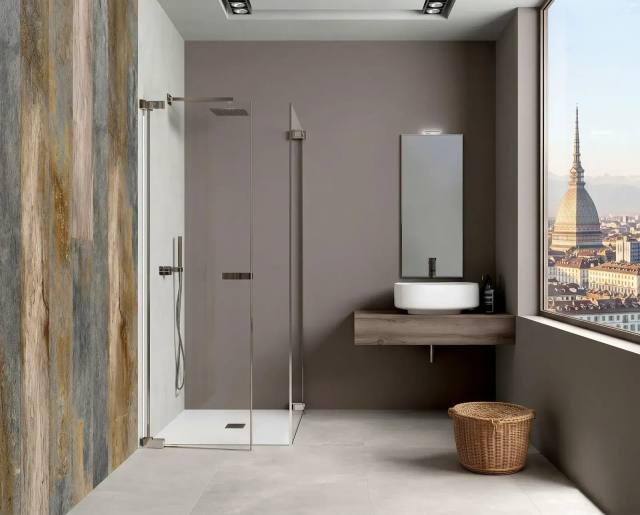
Stainless steel or aluminium shower enclosure: key differences
Stainless steel or aluminium shower enclosure? A technical comparison of surface treatments, weight, cost, corrosion resistance and everyday maintenance.
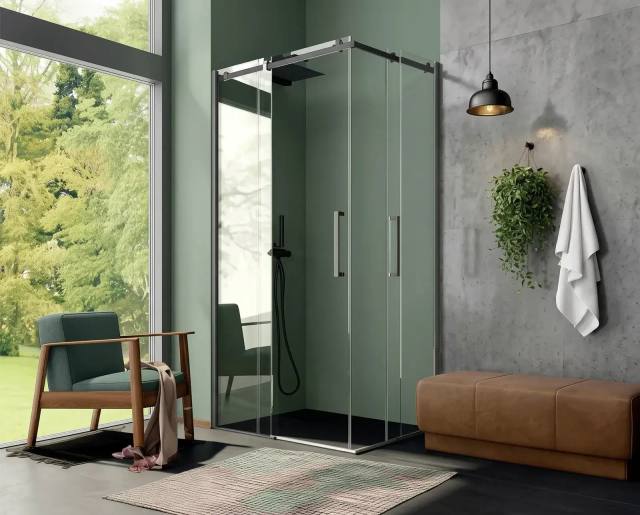
Shower enclosure standards: EN 14428, CE marking and the DoP
What makes a shower enclosure compliant? EN 14428 tests, CE marking and the Declaration of Performance (DoP) that retailers and specifiers should demand.
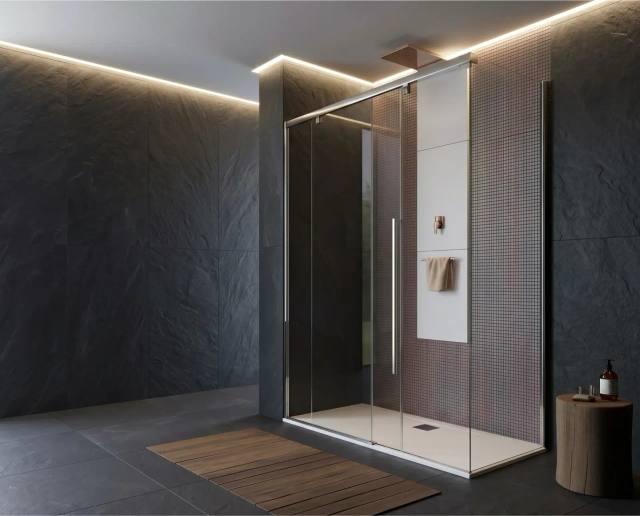
Shower enclosure silicone sealant: how to choose it, apply it and when to replace it
Shower enclosure silicone sealant goes unnoticed until it fails. Acetic, neutral, anti-mould or hybrid, each type suits a different job. Applying it well takes only a few steps, but the wrong ones, like sealing over the old bead, ruin the result in weeks. Here is how to choose, apply and know when to replace it.

Anti-Limescale Shower Glass: The Complete Guide to an Always-Perfect Enclosure
Anti-limescale shower glass is toughened glass with a water-repellent surface treatment that stops limescale from settling. A factory-applied coating lasts up to ten years, keeps the glass clear, speeds up cleaning and improves hygiene across every type of enclosure.

Walk-In Showers: Everything You Need to Know About a Shower Without an Enclosure
A walk-in shower is a shower area with no doors or framed enclosure, separated from the rest of the bathroom by one or more fixed glass panels. It feels more spacious, is easier to clean and looks distinctly modern. CSA makes them to measure in 6 and 8 mm glass.

Resin shower trays: everything you need to know before you choose
A resin shower tray is 70% mineral fillers and 30% polymer resin, finished with a gel coat. Lighter than ceramic but hard-wearing, certified anti-slip (DIN 51097), stain- and bacteria-resistant, and, rare for a bathroom material, repairable. Made in Italy, CE-marked, 2-year warranty.

Ceiling shower head: fitting it in your enclosure, plumbing requirements and design ideas
A ceiling shower head turns the daily shower into something closer to real rain: a vertical flow, even coverage and nothing sticking out. To fit it well you need 1.5-3 bar of pressure, pipework sized to suit and, above all, planning before the tiles go on. It pairs best with a walk-in enclosure or a flush-floor tray. Anti-limescale care is the final detail not to overlook.
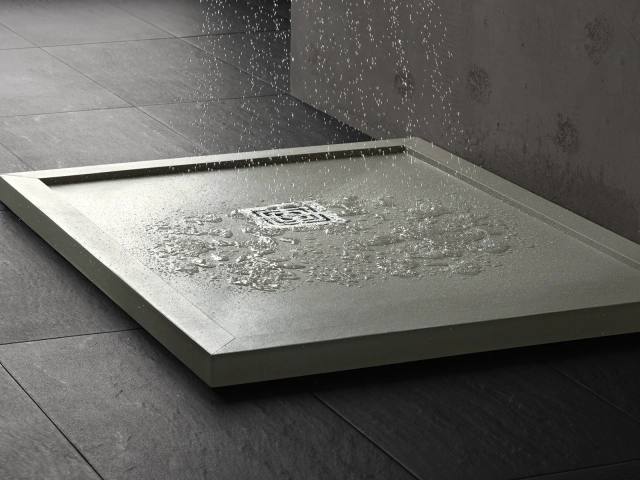
Stone-Effect Shower Trays: Natural Looks and Real Performance
A stone-effect shower tray is a considered design choice, not a passing trend. The two main materials are composite resin, versatile and cut to measure, and porcelain stoneware, closer to natural stone and all but indestructible. CSA offers both in the Nova Touchstone collection.
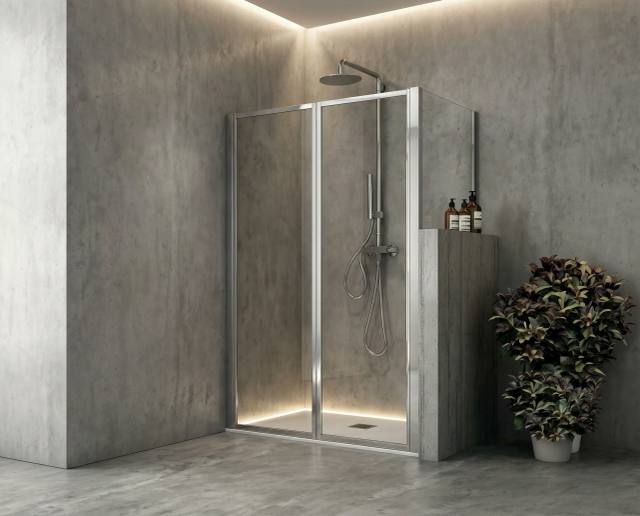
Accessible shower enclosures for people with disabilities and older people: how to choose
An accessible shower enclosure is about more than getting in and out: it is a space designed for safety and independence. The features that really count are a flush-floor entry, the right dimensions, sliding doors and well-placed grab rails. Needs differ between an older person with reduced mobility and a wheelchair user, and a proper professional fit is part of the product.

Bathroom renovation bonus 2026: what it covers, how to claim it and which works qualify
With the 2026 Budget Law, Italy's bathroom renovation bonus is confirmed: a 50% tax deduction on your main home (up to 96,000 euro) and 36% on second homes. It covers works such as replacing the plumbing, swapping out sanitaryware and converting a bath into a shower, while routine maintenance is excluded.
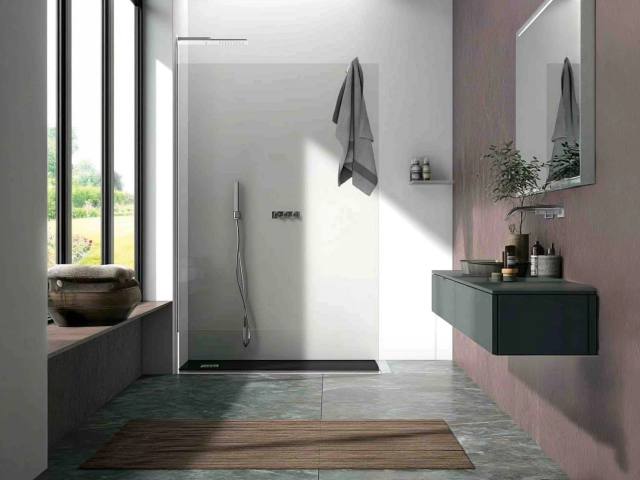
Waterproofing a Walk-In Shower: A Guide to Products and Techniques
A walk-in shower has no doors or retaining profiles, which makes it beautiful to look at. But it also means water moves far more freely than in a traditional enclosed shower. That is why waterproofing has to be planned with extra care: treating the tray is not enough, you need to cover at least 180-200 cm of wall and seal every critical point. Read the guide!