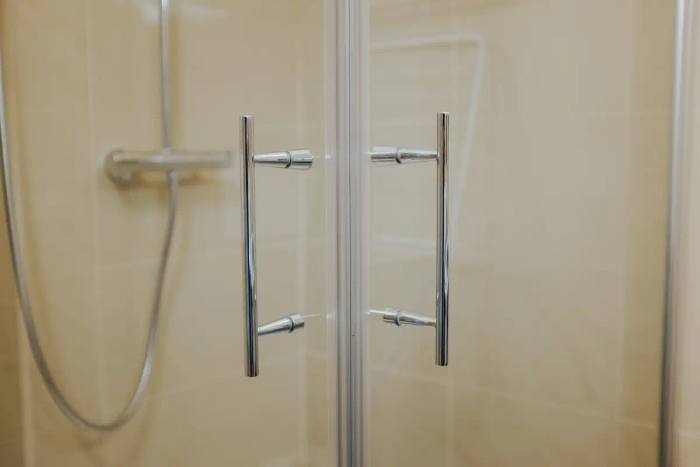
Shower Enclosure Runners: The Key to Smooth Sliding and Lasting Performance
The comfort of a modern bathroom is not measured by the tiling or the luxury taps alone. It is measured in the everyday gestures, in how fluid the experience feels. Opening the door of your shower enclosure should be a simple, silent, effortless motion. When that does not happen — when the door sticks, grates or jumps out of its track — the whole bathroom experience suffers. The cause? Almost always, the shower enclosure runners.
Too often overlooked, the runners (meaning the tracks and sliding systems, not instruction manuals) are the hidden infrastructure that determines whether a sliding shower enclosure succeeds or fails. At CSA Box Doccia we built our reputation on component quality, and we know the difference between a mediocre product and a premium one lies precisely here.
In this in-depth article, as specialists in the field, we cover everything worth knowing about shower enclosure runners. We look at materials, the different sliding technologies, the critical role of the rollers, and how proper maintenance can double the life of your enclosure.
Why shower enclosure runners matter so much
When a customer chooses a shower enclosure, attention almost always settles on the glass: the thickness (6 mm, 8 mm), the finish (clear, frosted) and the anti-limescale treatment. Few, though, stop to study the profiles and, above all, the moving mechanisms.
Shower enclosure runners are the equivalent of the foundations of a house. They can support a magnificent piece of glass, but if the runners are poor quality, the whole structure is destined to fail.
Here is why they are so important:
- Structural support: toughened glass doors, especially 8 mm ones, carry considerable weight. The runners, together with the rollers, must bear that weight with every open and close, across thousands of cycles, without deforming.
- Smooth movement: a well-designed runner, paired with quality rollers, delivers a buttery, silent, effortless glide. It is the first sign of a high-end product.
- Watertightness: the lower runners in particular play a crucial role in keeping water in. A poor design or bad installation here means constant flooding on the bathroom floor.
- Durability: the bathroom is the harshest environment in the home. Constant moisture, thermal shock, cleaning products and limescale attack metal components. Shower enclosure runners built from poor materials will oxidise, rust or seize within a few years.
Types of sliding system: beyond simple runners
Not all sliding doors are alike. The technology behind shower enclosure runners has evolved considerably, moving towards higher-performing, more minimalist and easier-to-clean solutions.
Roller (bearing) systems
This is the most widespread and reliable system for sliding doors. The door is fitted with rollers that run inside or on top of the shower enclosure runners.
The real distinction today is between:
- Top-hung sliding (the "suspended" door): this is the technical solution CSA Box Doccia prefers for its flagship products. Most of the door's weight bears on the top runners. The rollers run in the upper profile, which is less exposed to dirt, soap and limescale. The lower runner then becomes a minimalist, almost flush-to-floor profile that serves only as an alignment guide.
- Advantages: a clean look (frameless or semi-frameless design), remarkably easy cleaning, and a smoother, better-protected glide.
- Bottom-rolling (the "supported" door): in more traditional or budget systems, the door's weight bears mainly on the lower runner.
- Drawbacks: the lower runner tends to become a trap for limescale, soap residue and hair. If not cleaned constantly, this build-up hampers the glide and, over time, can damage the rollers.
The importance of quick-release
A key feature we always try to include in our models is the door "quick-release" system. With a simple click, this mechanism lets you unhook the lower part of the door from the runner. Why does it matter? Because it lets you clean the most critical zone of the enclosure thoroughly and with ease: the lower shower enclosure runners.
A look at materials: what makes shower enclosure runners excellent
A runner's performance depends 90% on the material it is made from. Here, cutting costs is the enemy.
1. Stainless steel (AISI 304)
The top of the range. Stainless steel is the choice of excellence. It is inherently resistant to corrosion and rust. It needs no surface coating that might chip or spoil. Stainless steel shower enclosure runners, often in a polished or satin finish, keep their shine and function for decades, even with very hard water.
2. Aluminium (anodised or chromed)
The excellent compromise. Aluminium is lighter than steel and offers excellent corrosion resistance, provided its surface treatment is carried out to a high standard.
- Anodising: an electrochemical process that creates a very hard, resistant protective layer (aluminium oxide).
- Chroming/painting: provides the cosmetic finish (gloss, matt black, white). The quality of this finish is everything. A cheap chrome plating can flake or blister (the bubbling-oxidation phenomenon) if exposed to aggressive cleaners.
3. PVC and plastics
The budget choice. PVC is used mainly for vertical profiles or minor components. It is rare to find structural shower enclosure runners made entirely of PVC, except in extremely low-end products. While PVC does not rust, it is prone to ageing (yellowing), stress cracking and heat-induced warping.
The ball bearings (the rollers) deserve a separate word. They must be made from a resistant metal (such as brass) and coated in materials like nylon or PTFE, to ensure quiet, smooth running. All-plastic rollers wear and go "square" quickly, causing the classic grating noise and a door that seizes.
Maintenance: how to extend the life of your shower enclosure runners
Bought an excellent CSA enclosure? Perfect. Now you need to protect your investment. Runner maintenance is simple, but it must be consistent. Enemy number one is not soap, but limescale.
Limescale acts like "grit" in the mechanisms: it creates friction, cements dirt in place and corrodes surfaces.
An effective cleaning routine
Follow these steps to keep your shower enclosure runners like new:
- After every shower (daily): the best thing is to briefly rinse the profiles and runners with the handset to remove soap residue. If you use a squeegee on the doors, run it over the lower profile too.
- Weekly clean (thorough):
- Use a soft cloth (microfibre) or a non-abrasive sponge
- Use only neutral cleaners (such as white vinegar)
- To reach the corners and the inside of the runners, use an old toothbrush
- If your enclosure has quick-release, unhook the doors for a deep clean
- Rinse thoroughly and dry carefully
What NEVER to use
This is essential: to avoid permanently ruining the finishes (chromed, anodised or painted) of your shower enclosure runners, absolutely avoid:
- Aggressive limescale removers (those based on strong acids)
- Bleach or chlorine-based products
- Ammonia
- Abrasive sponges (the green side) or metal scourers
How to remove limescale safely? Use a solution of warm water and white vinegar (or citric acid). It is effective against limescale but safe for metals. Leave it to work for a few minutes, scrub gently with the toothbrush and rinse.
Common problems and when to replace
Even the best runners can develop issues if neglected.
- The door grates or makes a noise: the rollers are probably dirty or damaged. Try a deep clean. If the noise persists, the rollers may need replacing.
- The door is hard to move: dirt and limescale build-up in the lower shower enclosure runners. A sign that an urgent clean is needed.
- The door wobbles or jumps out of the track: the rollers may be broken or unhooked.
Often, customers come to us looking for spare parts for enclosures from unknown brands or cheap imports. Finding the exact spares (those specific rollers, those specific runners) is nearly impossible.
This leads to an important point: spending little at the outset often means having to replace the whole enclosure after a few years, because repair is uneconomic. Investing in a branded product, such as CSA Box Doccia, means the guarantee of excellent materials, but also the certainty that spares will be available over time.
Why choose CSA for your shower enclosure runners
At CSA Box Doccia, the design of the sliding runners is at the centre of our development process. We do not treat them as an accessory, but as the beating heart of the product.
- Selected materials: we use only primary aluminium with high-build finishing treatments, and AISI 304 stainless steel for the most heavily stressed components.
- Oversized rollers: our sliding systems use sealed double ball bearings, tested for tens of thousands of opening cycles, for a glide that lasts for years.
- Intelligent design: we favour top-hung sliding systems and minimalist lower profiles to maximise hygiene, ease of cleaning and aesthetics.
Conclusion
Shower enclosure runners are the unsung hero of your bathroom. They determine the everyday function, reliability and lifespan of your investment. Choosing an enclosure on the looks of the glass alone is a common mistake.
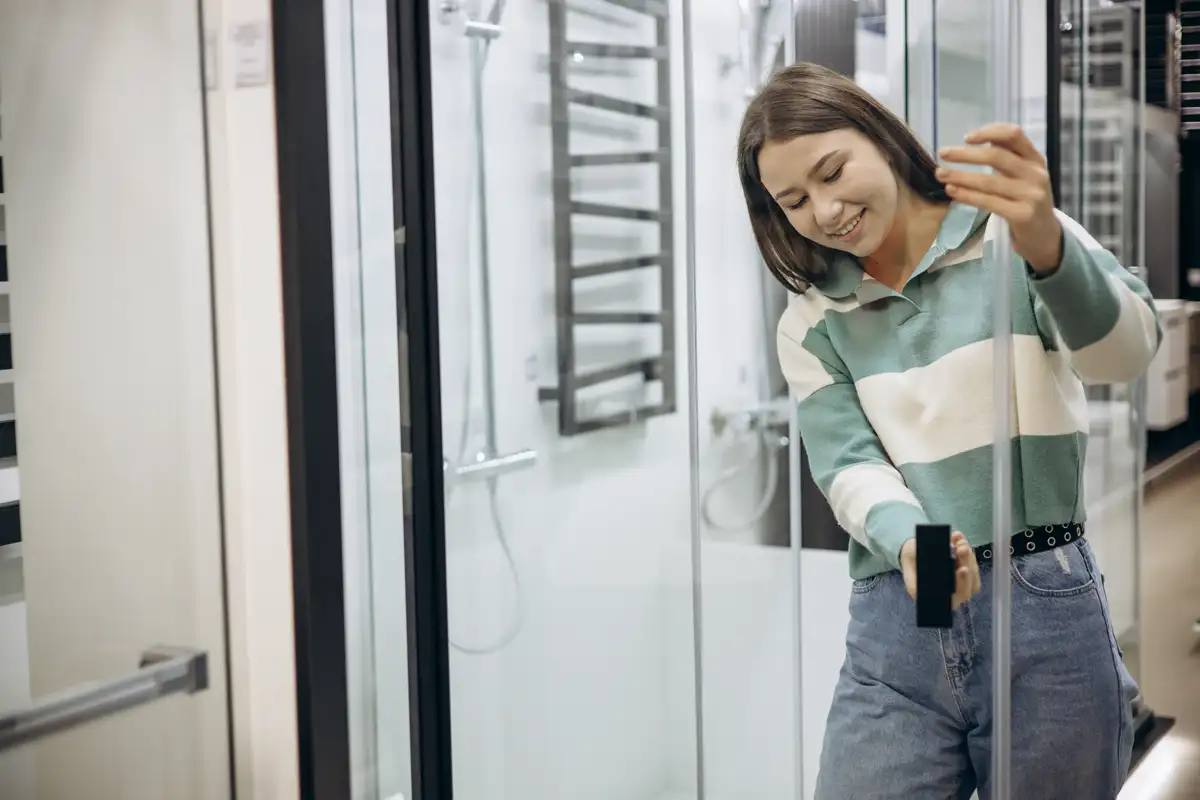
Pay attention to the details: try the glide of a display door for yourself, ask about the materials of the profiles and rollers, and check for a quick-release system.
Choosing CSA Box Doccia means choosing a product where every component, especially the sliding runners, has been engineered to excel. Find yours today!